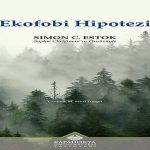

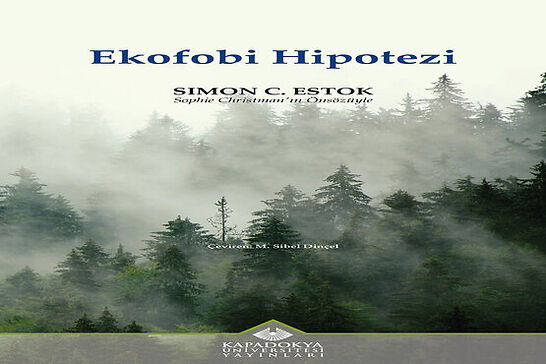




Simon C. Estok’s The Ecophobia Hypothesis examines the irrational fear of elements and entities associated with the natural world within a comprehensive theoretical framework. Through the concept of ecophobia, Estok explores humanity’s fears and anxieties toward the natural environment and questions the role of human attitudes and behaviors in the emergence of ecological crises.
Drawing on the intersections of genetic materialism, animal studies, ecomedia, and ecopsychology, the book examines the ecopsychological and ecocultural dimensions of ecophobia. Estok critically explores human attitudes toward nature, including confrontational, colonial, and projection-based responses, through concepts such as “false ecology” and “the agency of garbage.”
The Ecophobia Hypothesis demonstrates that environmental crises cannot be explained solely through economic, political, or technological factors. Instead, the psychological and cultural relationships humans establish with nature and more-than-human entities are also essential to understanding these crises. The work provides an important theoretical resource for researchers working in ecocriticism and the Environmental Humanities.