
Although ecocriticism initially focused on the “relationship between literature and the physical environment,” over the past decade it has developed fruitful interdisciplinary collaborations with other fields under the broader umbrella of the Environmental Humanities. Its boundaries have expanded, becoming increasingly theoretical, translocal, and transcultural, while engaging more deeply with issues such as environmental justice, urban challenges, environmental ethics, feminisms, global climate change, and non-Western cultures and literatures.
Literature, arts, and culture continue to play a crucial role in examining the philosophical and sociocultural implications of more-than-human environments and multispecies entanglements. Since literature and the arts often engage in dialogue with the natural sciences, ecocriticism is inherently an interdisciplinary field of study. At the same time, the role of literature in shaping human discourses, cultural practices, and ethical values concerning landscapes and waterscapes remains central to ecocritical studies.
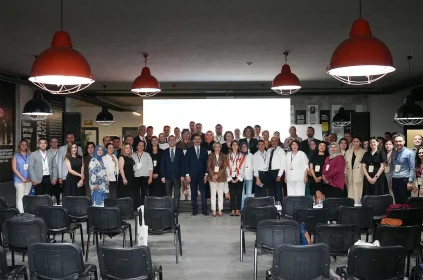
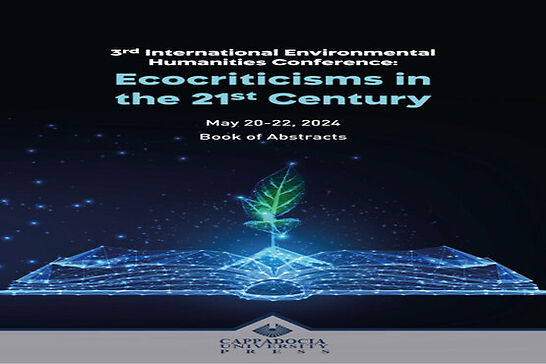
Organized by the Environmental Humanities Center at Cappadocia University, the 3rd International Environmental Humanities Conference aimed to discuss the various branches, waves, and new directions of ecocriticism. The conference explored recent theories, emerging topics, and new challenges, while examining the points of convergence and divergence between ecocriticism, ecology, environmental history, and ecopsychology. It also addressed ecocriticism’s alliances with the natural sciences, its activist impulses, and its transcultural and transnational perspectives.